


Where Did Our Love Go?: Schanalec Deconstructs the Break-Up Drama
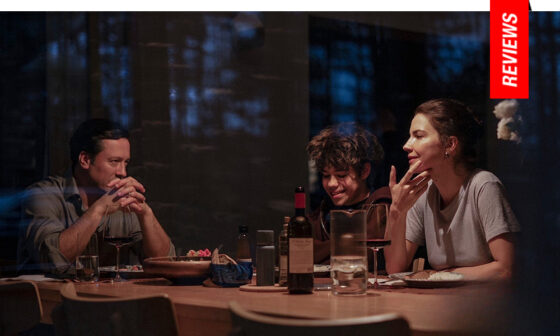
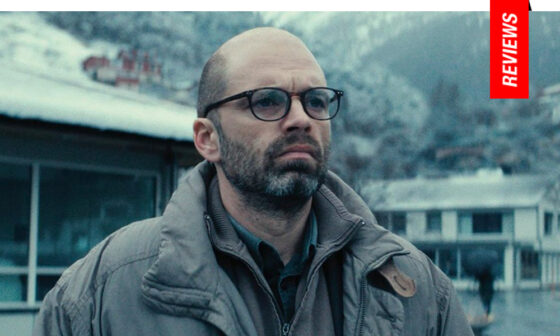
True to form, or rather, anti-form, Angela Schanelec’s latest exercise, My Wife Cries (Meine Frau weint), aims to defy the naturalistic approach to her theme and subject. This time around, a vaguely related collection of characters united metaphorically by a construction site find Mercury is in full-swing Retrograde as relates to their thinly defined relationships. To exemplify this, they all talk about it. A lot. A key figure of the New Berlin school filmmakers, who actively embrace anti-naturalism in their approaches, Schanelec’s film’s often excel with this approach, usually assisted by limited dialogue.… Read the rest


How does one define their own home? Is it the place we were born? The place we grew up? Or a more abstract attribute like sexuality, self-acceptance or maybe even a hobby? In Kai Stänicke’s feature debut we focus on Hein (Paul Boche) returning to a tiny German island community 14 years after leaving for the mainland. The only problem is he appears to have physically changed quite a bit and no one seems to be wholly certain this is the young boy that left all those years ago. The village decides the best way to solve the issue of allowing Hein to return is a trial in order for him to prove himself to truly be Hein.… 
New German Wave legend Ulrike Ottinger returns with her long gestating project The Blood Countess (Die Blutgräfin), a comedic take on the infamous 
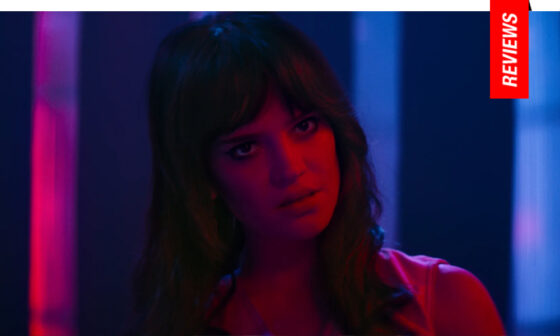
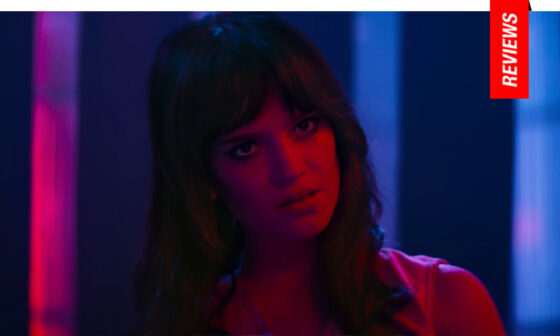
“When porn has become the norm, intimacy is the new taboo,” reads an early tagline for Truly Naked, the directorial debut of Muriel d’Ansembourg, who has built a reputation with previous short films also desiring to explore blurring boundaries in similarly uncomfortable scenarios. Her debut is technically a ‘coming of age’ film, pun intended, as it explores the maturation of a quiet teenager whose existence as the cinematographer for his father’s family business, a pornography creator, defines him. As a conversation piece, it’s a thorny hot bed of topics, ranging from dysfunctional kinship roles to how Gen Z’s development has been irreparably fashioned by mature steaming content which isn’t an accurate depiction of human sexuality or relationships.… 
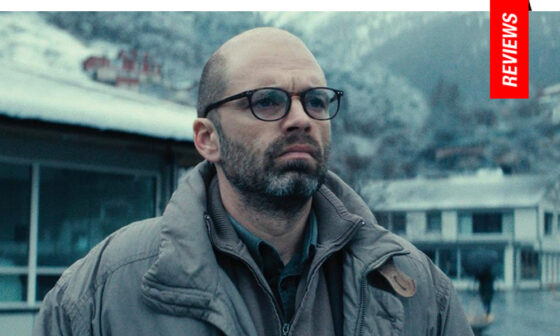
It turns out you can go home again…but don’t expect not to confront psychic wounds left untended, at least according to Nina Roza, the second narrative feature from Canadian filmmaker Geneviève Dulude-De Celles. The title refers to the names of two young girls who are of extreme significance to an art curator who immigrated to Montreal from Sofia, Bulgaria nearly thirty years ago. Professional circumstances allow for a coincidental reconciliation with his native country, but the results couldn’t be more personal. It’s a noiseless film, overtly a character study about one man’s journey towards discovering what actual role he’s playing in the curation of artists as well as examining the agency he may have denied his own child by neglecting her native heritage.… 

There’s an interesting idea behind Dust, which finds two Belgian entrepreneurs essentially navigating their last two days of freedom in 1999 and struggling to come to terms with embracing accountability for their actions. However, it all seems like something of a one-dimensional fantasy, especially in a climate of seemingly inescapable corporate control gripping the world nearly thirty years later. Perhaps director Anke Blondé is suggesting what a different world it would be had a previous generation of corporate criminals accepted their fate, setting an example for how greed and hubris aren’t really beneficial for a just and fair existence.… 
If there’s a trough line (beyond the eponymous titles) of Austrian director 
The land dispute at the center of Emin Alper’s latest film Salvation has all the trademarks of a Shakespearean tragedy, so it’s unfortunate his approach often feels labored, and at times, over the top. Historically, Alper has tended to prize provocative, often intense explorations of brooding animosity leading to explosive conflicts, such as earlier title Frenzy (2015) or the Cannes debut Burning Days (2022), featuring a sinister criminal investigation at the center of a town’s local politics, which includes queer elements. Alper’s painstaking screenplay takes its time laying the groundwork for the complex social and political relationships defining a remote Turkish village constantly on the precipice of conflict with their nearest neighbors.…