

The Blindness of Strangers: Dorabialski Stings the Storyteller
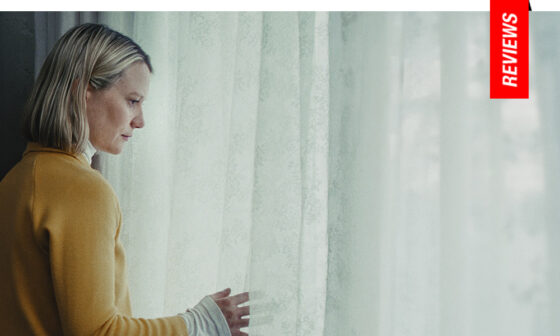
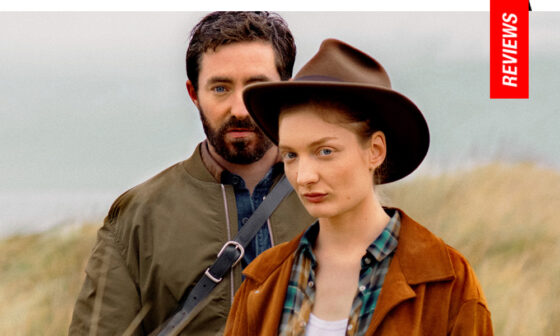
“In the end, we’ll all become stories,” per Margaret Atwood, a sentiment which is ultimately at the metatextual heart of Agata the Writer, the sophomore narrative feature from Kuba Dorabialski. Born in Poland, Dorabialski seems to be drawing upon semi-autobiographical elements between himself and leading lady Mia Wasikowska, whose Australian-Polish roots dictate pertinent elements of the narrative, where, once again Dorabialski becomes immersed in the parallels and intersections between seemingly disparate European cultures, as he did with 2021’s Connection of the Sticks. A rather droll and tranquil exercise unfolds at the initiation of a talented writer struggling to formulate her second novel by throwing herself into the traumas of another country, whereby she learns some difficult lessons about ownership and authorial integrity.… Read the rest
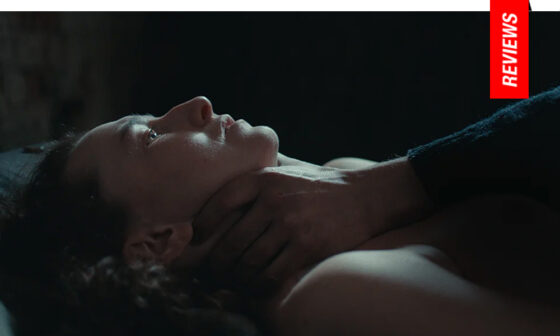
 Something is certainly rotten in the state of Denmark following the country’s liberation from Nazi occupation in May el-Touky’s third feature Woman Unknown, a bleak, dismal portrait of women determined to be ‘horizontal collaborators’ as a means of survival. Part of the problem was the rubber band effect of heteropatriachy for countries desiring to return a sense of normalcy whilst also ‘righting the wrongs’ of those who who’d become ‘too’ friendly with the Nazis, while political and economic factors assisted in determining who would be irrevocably banished from polite society.…
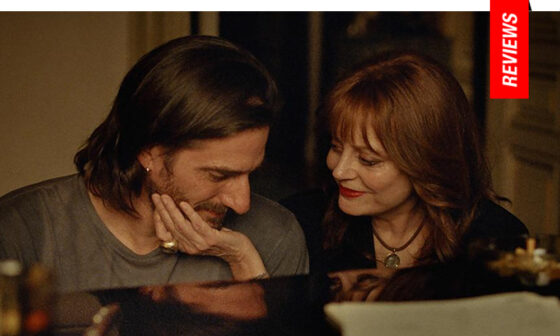
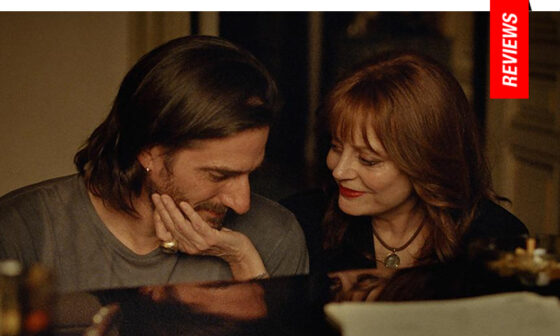



 For his narrative feature debut Oasis, Jannis Lenz channels contemporary intergenerational neglect and the inherent apathy accompanying the rigid tenets of masculinity. It’s a narrative redolent of countless narratives dealing with the increasingly violent tendencies of a contemporary generation, though mass desensitization via social media has arguably created new mutations on the continuum of discord which tends to universally define the terrors and traumas of adolescence. It’s clear trouble lies ahead for the nubile protagonists from its opening frames, conjuring Santigold’s “Disparate Youth,” warning us (and them), “Don’t look ahead, there’s stormy weather.”…


 Boiled down to its core essence, Possible Love, the first feature from South Korean auteur Lee Chang-dong since his Faulkner furnace Burning (2018), grapples with universal elements of the basic human experience, namely the secret desires and needs which, once exposed, can be ruinous to the carefully manicured harmony of our lives. To be clear, the project is merely a passing homage to Kieslowski’s Decalogue 10 rather than a contemporary remake or reconfiguration of a global cinematic endeavor to rework each chapter of the Polish auteur’s opus (which included Asghar Farhadi’s French set Parallel Tales, 2026).…



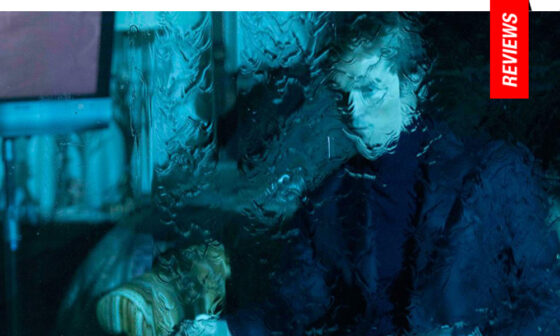
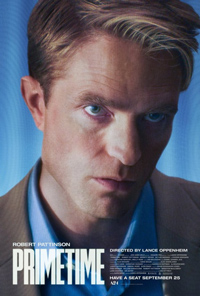 It’s perhaps fortuitous for Lance Oppenheim’s narrative debut Primetime, which charts the brief but meteoric run of Chris Hansen’s exploitative hit television series To Catch a Predator in 2006, premieres and competes alongside Danny Boyle’s Ink (which reenacts the Rupert Murdoch/Larry Lamb bastardization of news journalism with their sensationalistic revamp of The Sun in 1969, London). Master manipulators whose narcissism led to crossed boundaries which bred on ignorance, titillation, and schadenfreude, it’s definitely worth noting how unremarkable these men ultimately seem when the privilege of anonymity is removed. As far as Oppenheim’s first foray into narrative filmmaking is concerned, it’s mostly a mildly satirical portrait of a banal, mediocre egotist hellbent on achieving the celebrity status he felt he deserved, focusing on the various elements of a business model as perverted as the criminals it was exploiting, poisoning minds already unschooled, hardening hearts suspiciously gleeful to maim, and further cementing mob rule mentality.…


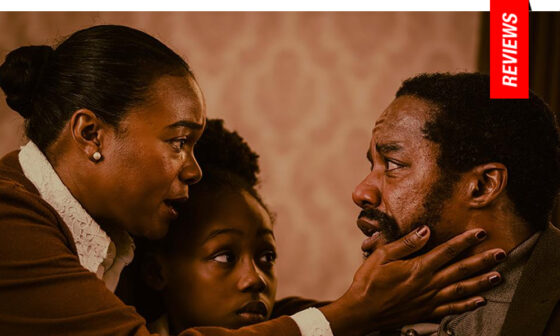
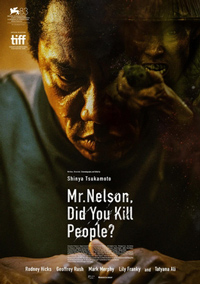 “Ain’t war hell?,” asks the door gunner to Matthew Modine’s protagonist in Stanley Kubrick’s Full Metal Jacket (1987), arguably one of a handful of iconic American films depicting the horrors of the Vietnam War. It’s meant as a rhetorical question following a shocking admission regarding the targeting of innocent women and children, and the most successful cinematic ventures attempting to reenact the brutality of war at least allow us to gaze into this abyss, which, if we are to take anything away from consuming such narratives, should be allowed to gaze back into us.…

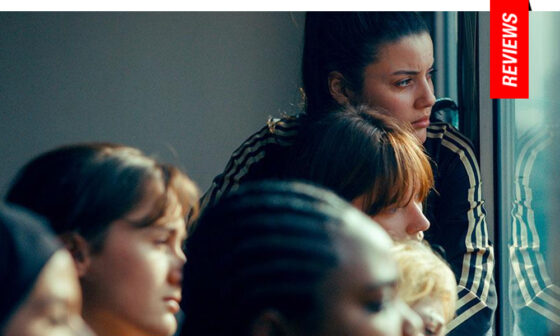
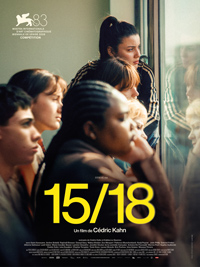 Picture this: A bustling medical ward in a top performing French facility with specialized treatment protocols where the staff is systematically overwhelmed by the burden of dealing with those in need of their services while ultimately remaining good natured and exhibiting efficient levels of camaraderie to keep spirits up. Next, a revolving door of larger than life personalities representing the clientele, a teeming horde of incoming and outgoing guests needing medical attention. Some will benefit from care, some need more time than expected, while others remain hopeless cases resistant to the offerings of the establishment (but will still, more than likely, live to see another day.…