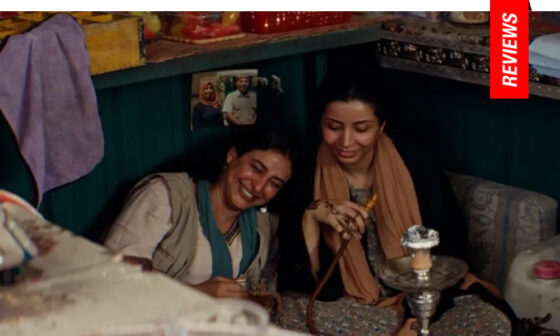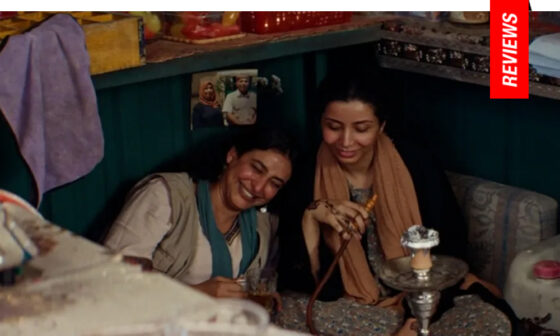



The Romanian master filmmaker Cristian Mungiu moves away from a backdrop he knows far too well to explore the family unit way further up north. Winner of the Palme d’Or in 2007 for his sophomore feature 4 Months, 3 Weeks and 2 Days, Mungiu has stock piled the Croisette with Best Actress and Best Screenplay winning Beyond the Hills (2012), Best Director winning Graduation (2016), and the criminally neglected RMN in (2022). His 2002 debut Occident was also a Croisette offering for the Directors’ Fortnight and so were Tales from the Golden Age and Bridges of Sarajevo (2014). With Fjord — we find Sebastian Stan and Renate Reinsve topline this as the Gheorghiu family — about a Romanian father and a Norwegian mother, who have moved to the mother’s birthplace, a remote Norwegian village, and befriend the neighboring Halberg family.… Read the rest
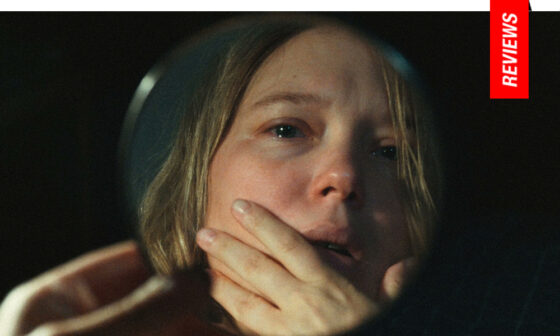
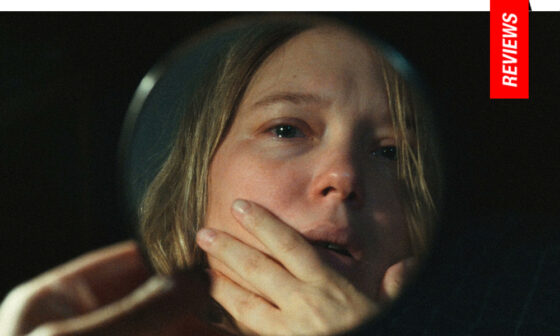


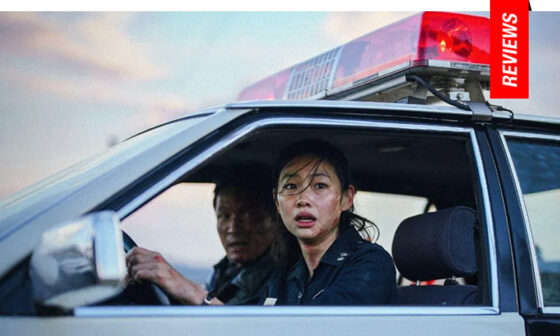
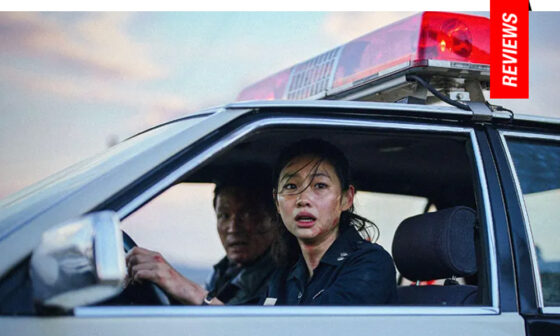
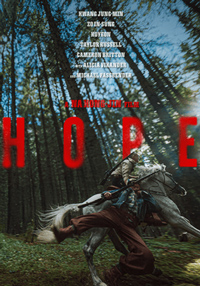 For his fourth feature, South Korean director Na Hong-jin goes for breakneck, relentless mayhem in the curiously titled Hope. Always tending to blend genre elements in his previous efforts, Hong-jin has increasingly leaned into logical exaggerations, beginning with his most successfully conceived film to date with his 2008 debut The Chaser (which is also a title befitting this venture). There’s much to wonder about in this propulsive narrative made up quite extensively of formidably choreographed chase sequences wherein two separate groups of humans are plagued by creatures eventually revealed to be extraterrestrials (but who seem to be made of inextinguishable materials, like organic versions of Transformers).…



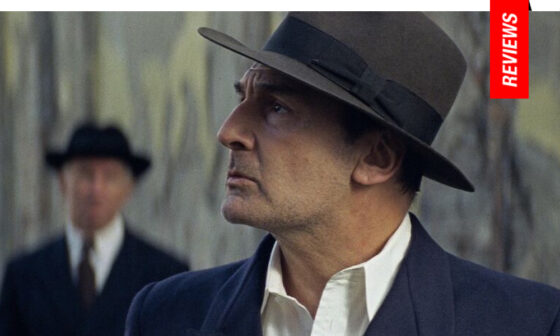
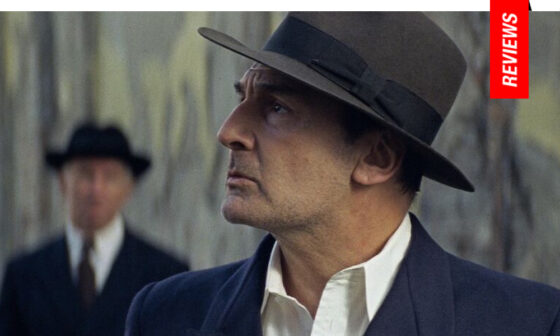
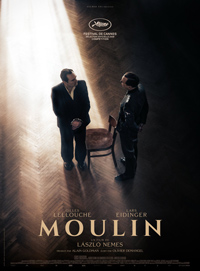 Jean-Pierre Melville’s classic account of the French Resistance, Army of Shadows (1969) opens with a quote from the French novelist Georges Courteline – “Bad memories! I welcome you anyway…you are my long lost youth.” With his fourth feature Moulin, so seems to be the sentiment of Hungarian director László Nemes, returning to the inferno of WWII with this homage to Jean Moulin, a leader of the French Resistance who was credited with unifying an array of various networks. He was captured, tortured and murdered in 1943, sent to his grave without betraying cause or country.…