



Four films in and his second trip to the Cannes competition section, Hungarian filmmaker László Nemes began his career by winning the Grand Prix for Son of Saul (2015). He landed in Venice with films two and three with 2018’s Sunset and 2025’s Orphan. A cinema that looks at individuals trapped inside historical catastrophe, fractured perceptions and the search for dignity amid chaos, for this time out her revisits the past once again with the historical psychological drama pre-WWI Budapest for Moulin. This follows Jean Moulin, who is dropped into Nazi-occupied France to help bring the Resistance groups together for Charles de Gaulle.… Read the rest


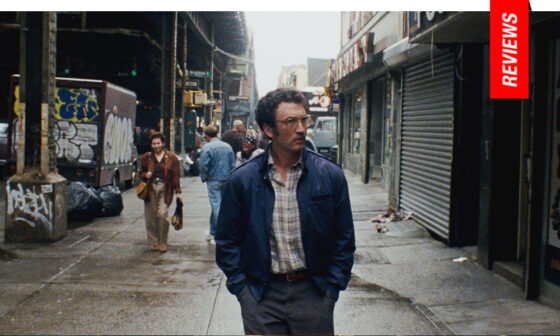
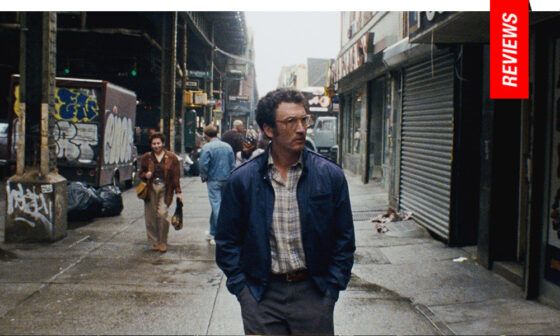




 Although it’s a familiar trope, an absent father utilizing a complex ruse to reunite with a child abandoned from a previous relationship,

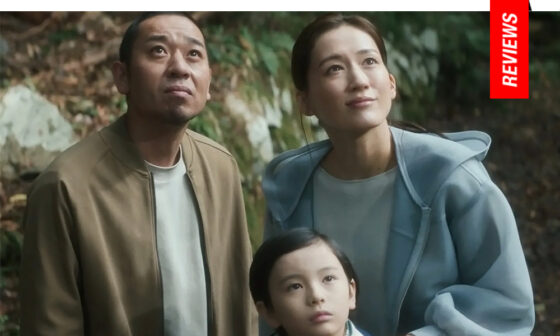
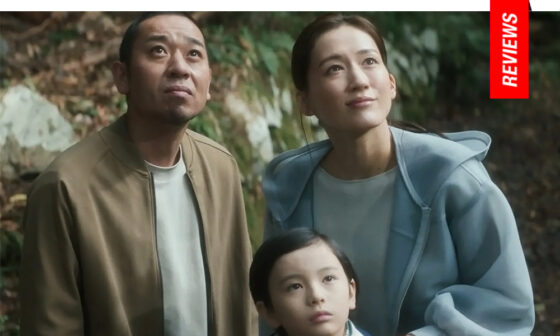
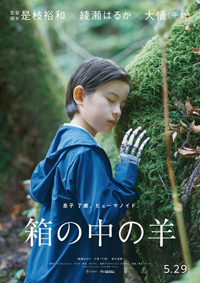 Somehow, despite being set in the ‘not too distant future,’ Hirokzau Kore-eda’s twee take on robotic children in Sheep in the Box manages to seem like an anachronistic blast from the past. Its title, lifted from the classic 1943 children’s novella The Little Prince, is a thematic reference to how imagination allows us to explore what really matters is on the inside. With a plot usually utilized in nightmarish genre films with robots or cloning (think B-movie drivel, such as 2004’s Godsend), a Japanese couple mourning the loss of their kidnapped son from two years prior are headhunted for a promotional offer to receive his likeness duplicated as a completely passable humanoid robot.…

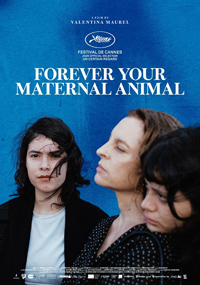 You can’t go home again and it’s a disaster to even try, especially as evidenced in Valentina Maurel’s Forever Your Maternal Animal, a dark comedy of sorts about a willfully oblivious family who could serve as a case study for attachment theory issues. Essentially a tale of a nuclear family who have long since dispensed with any sense of selflessness as regards their commitment to one another, Maurel focuses on the prodigal Elsa, returning to Costa Rica as a way to flee some relationship issues she’s experienced whilst studying abroad in Europe.…



 “No one ever wanted her forever,” is a partial description of the titular character in Gail Parent’s 1972 novel