



Blue is the Warmest Collar: Chang-dong Prepares a Touch of Class
 Boiled down to its core essence, Possible Love, the first feature from South Korean auteur Lee Chang-dong since his Faulkner furnace Burning (2018), grapples with universal elements of the basic human experience, namely the secret desires and needs which, once exposed, can be ruinous to the carefully manicured harmony of our lives. To be clear, the project is merely a passing homage to Kieslowski’s Decalogue 10 rather than a contemporary remake or reconfiguration of a global cinematic endeavor to rework each chapter of the Polish auteur’s opus (which included Asghar Farhadi’s French set Parallel Tales, 2026).… Read the rest



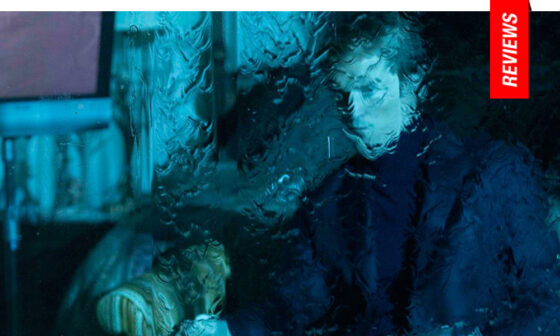
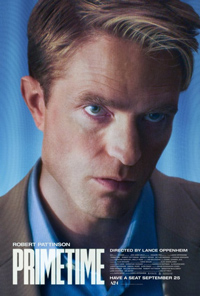 It’s perhaps fortuitous for Lance Oppenheim’s narrative debut Primetime, which charts the brief but meteoric run of Chris Hansen’s exploitative hit television series To Catch a Predator in 2006, premieres and competes alongside Danny Boyle’s Ink (which reenacts the Rupert Murdoch/Larry Lamb bastardization of news journalism with their sensationalistic revamp of The Sun in 1969, London). Master manipulators whose narcissism led to crossed boundaries which bred on ignorance, titillation, and schadenfreude, it’s definitely worth noting how unremarkable these men ultimately seem when the privilege of anonymity is removed. As far as Oppenheim’s first foray into narrative filmmaking is concerned, it’s mostly a mildly satirical portrait of a banal, mediocre egotist hellbent on achieving the celebrity status he felt he deserved, focusing on the various elements of a business model as perverted as the criminals it was exploiting, poisoning minds already unschooled, hardening hearts suspiciously gleeful to maim, and further cementing mob rule mentality.…
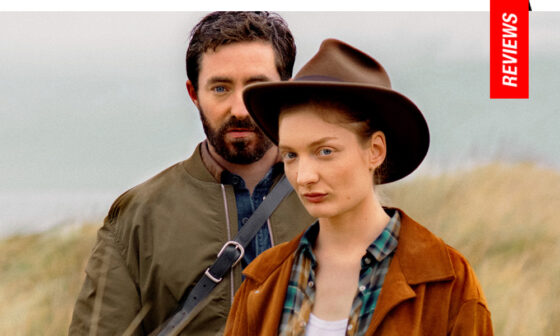

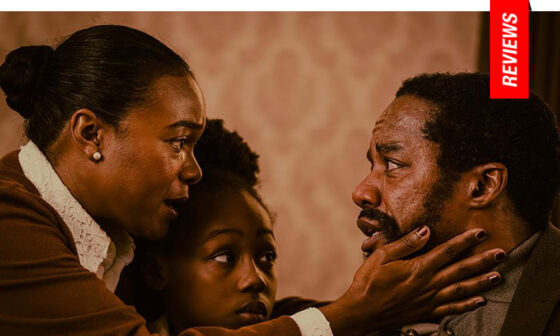
 “Ain’t war hell?,” asks the door gunner to Matthew Modine’s protagonist in Stanley Kubrick’s Full Metal Jacket (1987), arguably one of a handful of iconic American films depicting the horrors of the Vietnam War. It’s meant as a rhetorical question following a shocking admission regarding the targeting of innocent women and children, and the most successful cinematic ventures attempting to reenact the brutality of war at least allow us to gaze into this abyss, which, if we are to take anything away from consuming such narratives, should be allowed to gaze back into us.…
 Picture this: A bustling medical ward in a top performing French facility with specialized treatment protocols where the staff is systematically overwhelmed by the burden of dealing with those in need of their services while ultimately remaining good natured and exhibiting efficient levels of camaraderie to keep spirits up. Next, a revolving door of larger than life personalities representing the clientele, a teeming horde of incoming and outgoing guests needing medical attention. Some will benefit from care, some need more time than expected, while others remain hopeless cases resistant to the offerings of the establishment (but will still, more than likely, live to see another day.…

 Those left behind to pick up the pieces are rarely the center of film dramas — and they’re rarely an afterthought either. Adopted, in love, surrounded by friends and moving between Rome’s outskirts and centre, caught in that peculiar age when adulthood feels both imminent and impossibly far away, a charismatic



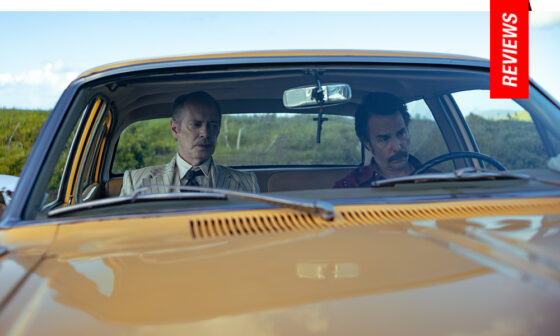
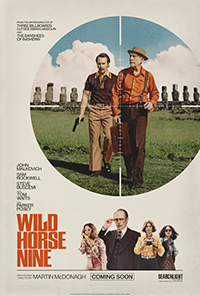 Americans can’t quite seem to directly engage with their ills of the present by connecting them with misdeeds of the past, for a myriad of reasons, but this translates in a lack of contemporary cinematic ventures daring to speak truth to power for fear of lost profits. Once in a while, an outsider’s scathing critique manages to resonate with applause and accolades, perhaps as a form of acknowledgment regarding the necessity of an eventual expiation in reality. Until then, we can bask in the convenient realm of lip service. Much like he did with his Academy Award winning 2017 film Three Billboards Outside Ebbing, Missouri, British director Martin McDonagh reflects on the bedrock of American misanthropy with a chilly but often comedic cynicism in Wild Horse Nine, set right before the onset of Pinochet’s 1973 coup in Chile.…